Key Points:
- In 2017, then-Minister of Science and Technology Chen Liang-Gee foresaw AI trends and successfully convinced TSMC Chairman Morris Chang to establish a 3nm fab in Taiwan, a crucial step in Taiwan's semiconductor strategy for AI.
- Chen proposed the "AI Foundry" strategy focusing on ASIC development, which suits Taiwan's industrial transformation and maintains competitiveness through technological iterations.
- Chen believes Taiwan's AI sector possesses three key advantages: expertise, trust, and an open ecosystem. He predicts AI will penetrate all industries within a decade, positioning Taiwan to become a global AI foundry hub.
Months earlier, AlphaGo's victory over a world champion Go player had shocked the world. Chen keenly sensed that within five years, AI would become ubiquitous, triggering an explosion in semiconductor computing power demand. With this urgency, he persistently advocated for TSMC to establish a 3nm fab in Taiwan to maintain the country's global technological leadership.
However, the "five shortages" (of water, electricity, land, talent, and labor) issue loomed over this ambitious plan. On the phone was TSMC Chairman Morris Chang, who directly addressed the core concern: Could the government guarantee adequate water, electricity, and land supply? "These issues have solutions," Chen responded without hesitation, signing a commitment letter that essentially became a pledge for Taiwan's future.
The subsequent developments are now global knowledge. In 2023, generative AI boomed, creating a shortage of advanced chips. Tech CEOs worldwide have flocked to Taiwan, not only to secure TSMC's advanced process chips but also to engage with hundreds of semiconductor supply chain companies. Taiwan once again stood at the center of the global stage.
Pioneering AI in Government
Chen's tenure as Technology and Science Minister lasted less than four years, but his reputation as the most semiconductor-savvy official who earliest bet on AI is well-earned. During his academic career at National Taiwan University's Electrical Engineering Department, he specialized in semiconductors and AI imaging, earning the nickname “Technology Commercialization Guru” in the industry for his success in transforming academic research into commercial applications.
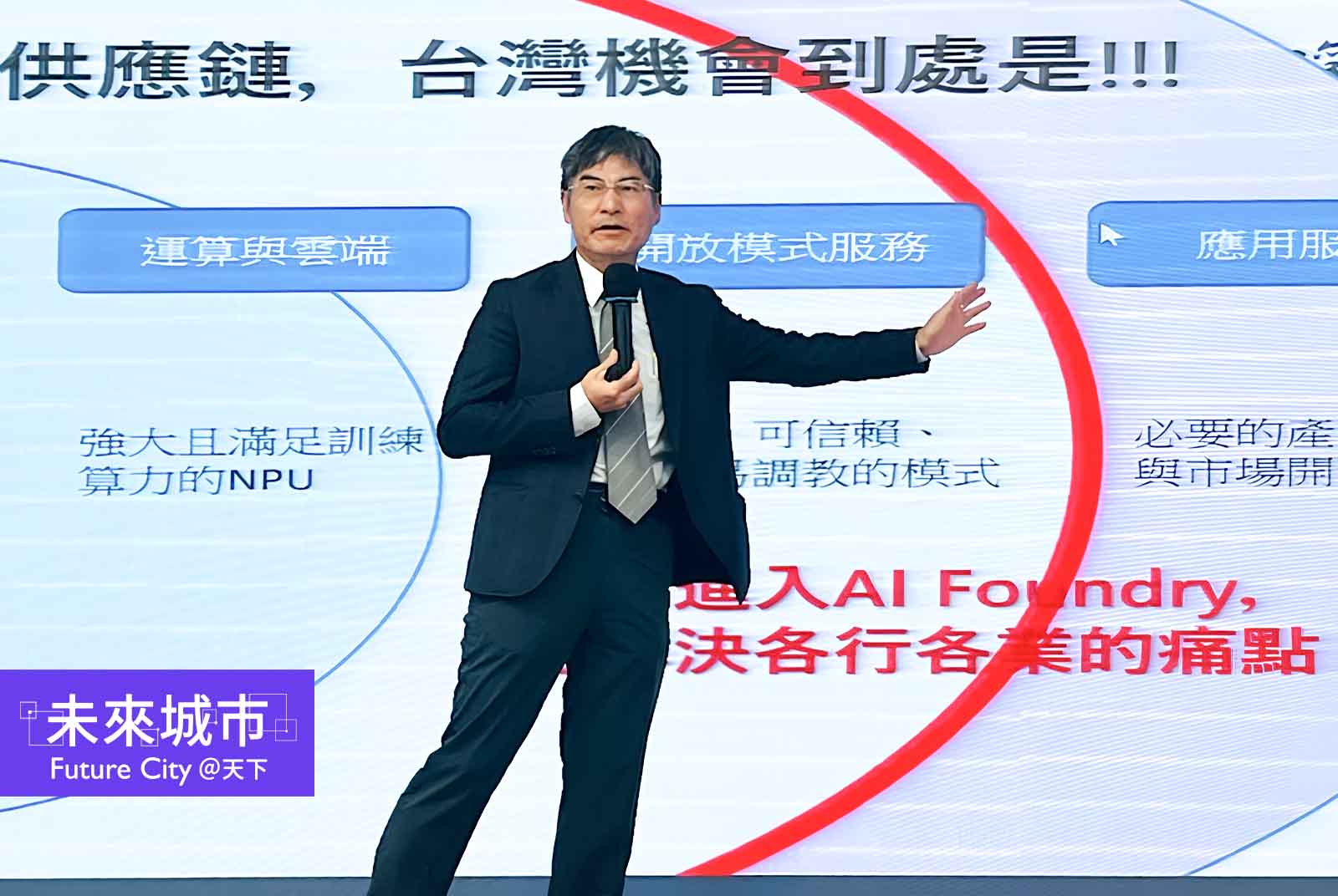
During his tenure as Technology and Science Minister, he made an even bolder move by championing AI development. Chen advocates for "AI Foundry," which provides customized hardware and software integrated solutions for AI applications. "Most clients need AI functionality, not complex AI server or model designs," Chen explains, referring to Application-Specific Integrated Circuits (ASICs).
Global Leader in Hardware-Software Integration
Taiwan holds three key advantages in this transformation: expertise, trust, and an open ecosystem.
"No place in the world understands hardware-software integration better than Taiwan," Chen proudly states. Taiwan's long-standing semiconductor foundry expertise has laid a solid foundation for AI foundry services.
However, opportunities come with challenges. In recent years, Chen has continuously promoted the AI foundry business model. Interestingly, NVIDIA's Jensen Huang was among the first to embrace this concept. "NVIDIA wants to do AI foundry work, which is why Huang frequently visits Taiwan. He understands the necessity of having Taiwan as a backbone," Chen analyzes.
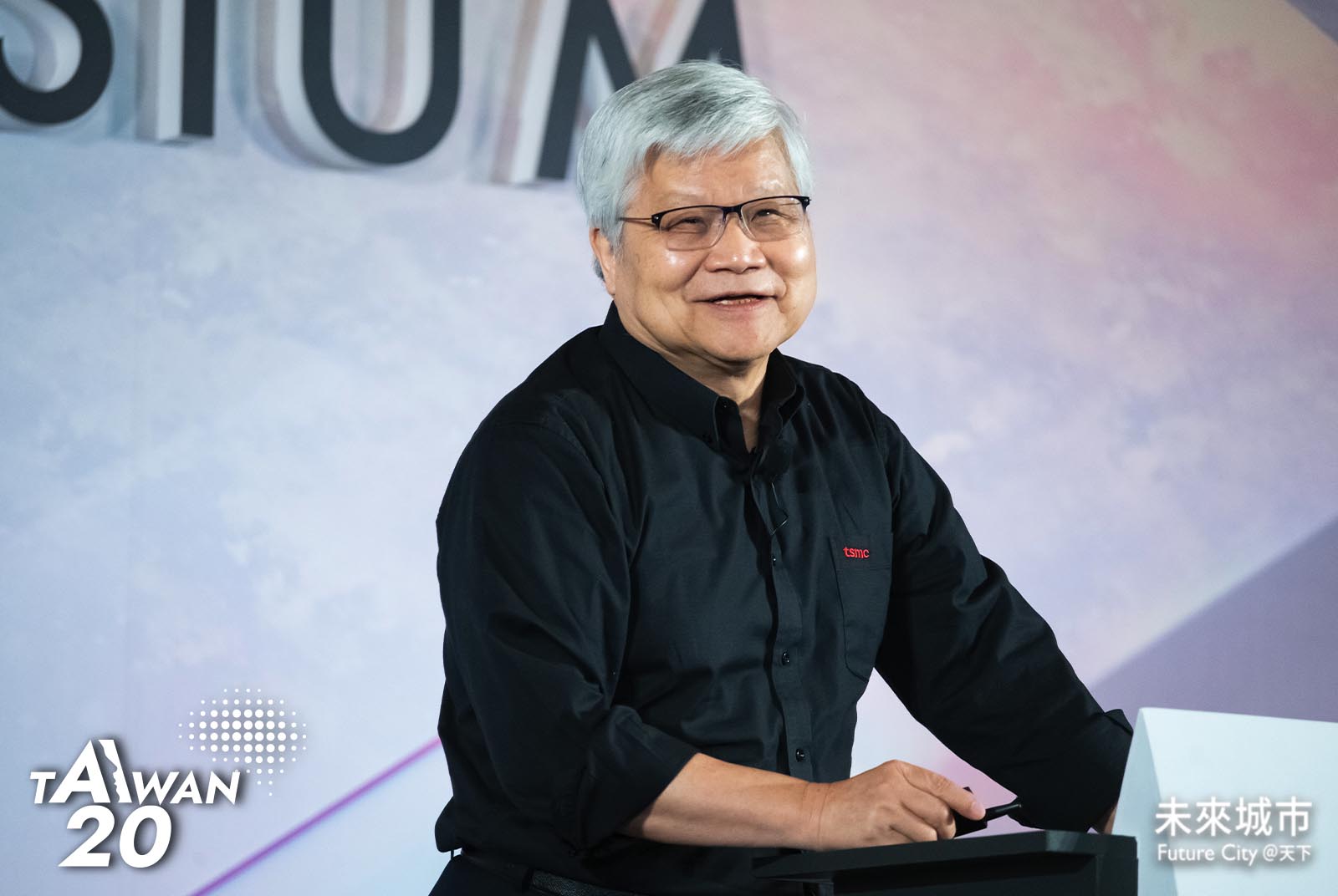
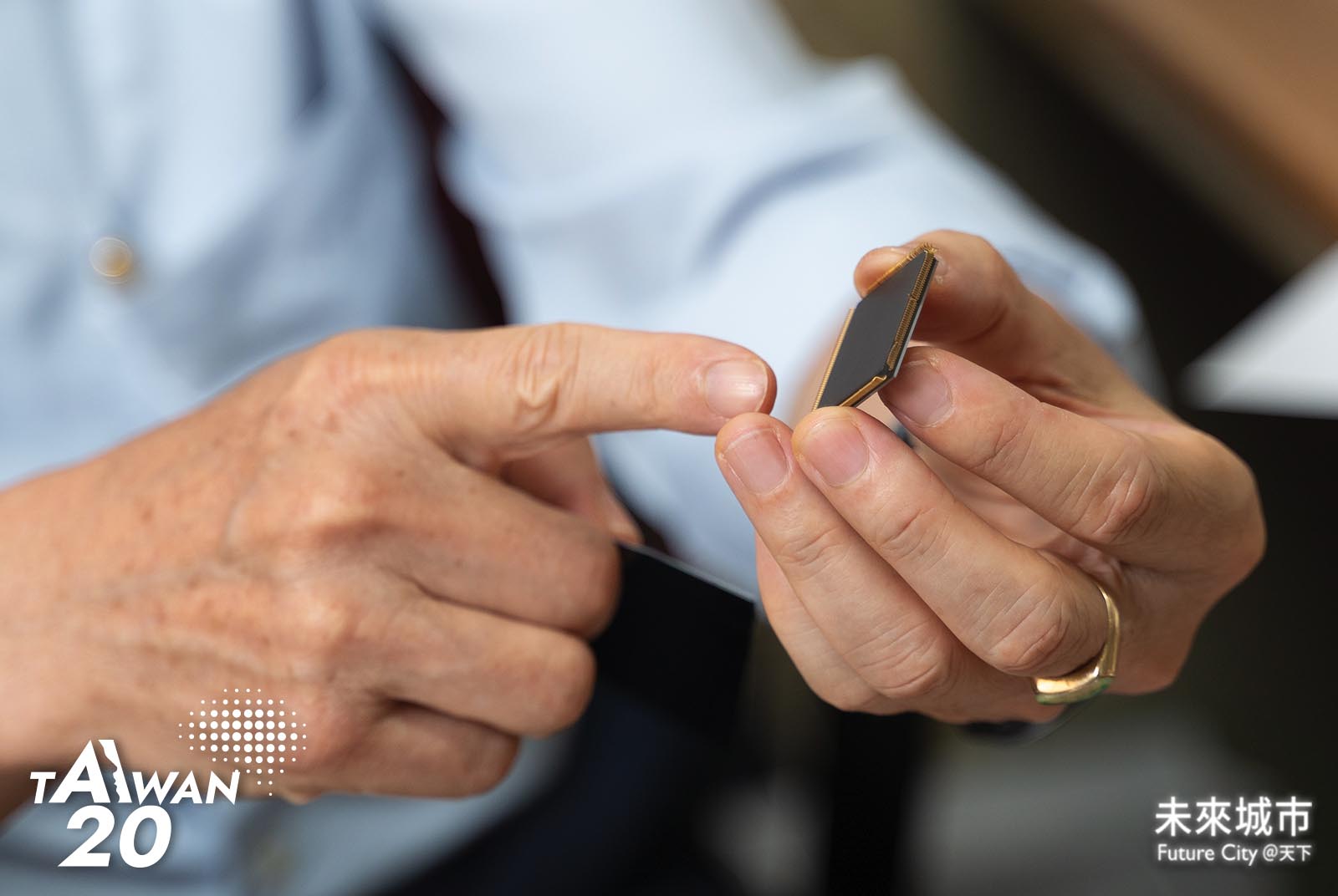 Taiwan's long-standing semiconductor foundry expertise has laid a solid foundation for AI foundry services. Source: FutreCity@CommonWealth
The Future AI Foundry Island
"Whoever collaborates with Taiwan could become an industry leader," Chen believes. He suggests Taiwan should target global AI leading brands aiming for a position similar to the "Wintel" of the PC era. Local companies like Taiwan AI Labs, Skymizer, and MediaTek have already launched model services.This growing ecosystem forms the foundation of Chen's vision for Taiwan's future.
"In ten years, when AI permeates all industries, Taiwan will become the AI foundry island," Chen states with conviction.
This year, Jensen Huang returned to Taiwan, with AI's prominence now undisputed. Government officials and business leaders eagerly posed for photos with him, each snapshot seemingly a declaration of embracing AI.
For Chen, however, this validation of his early vision comes as he has moved on to new challenges. "We're friends, but our paths rarely cross now," says Chen, who now focuses on smart healthcare after declining all public positions.
He reflects that his most significant battle has already been fought, culminating in the 2018 groundbreaking ceremony of TSMC's 5nm fab. Standing on the 80-hectare site, he turned to Morris Chang and said, "Tomorrow, thousands of workers will begin construction here..."
This seemingly ordinary moment would later prove to be a pivotal point, marking the entry of Taiwan's semiconductor industry into the global AI era.
About Chen Liang-Gee:
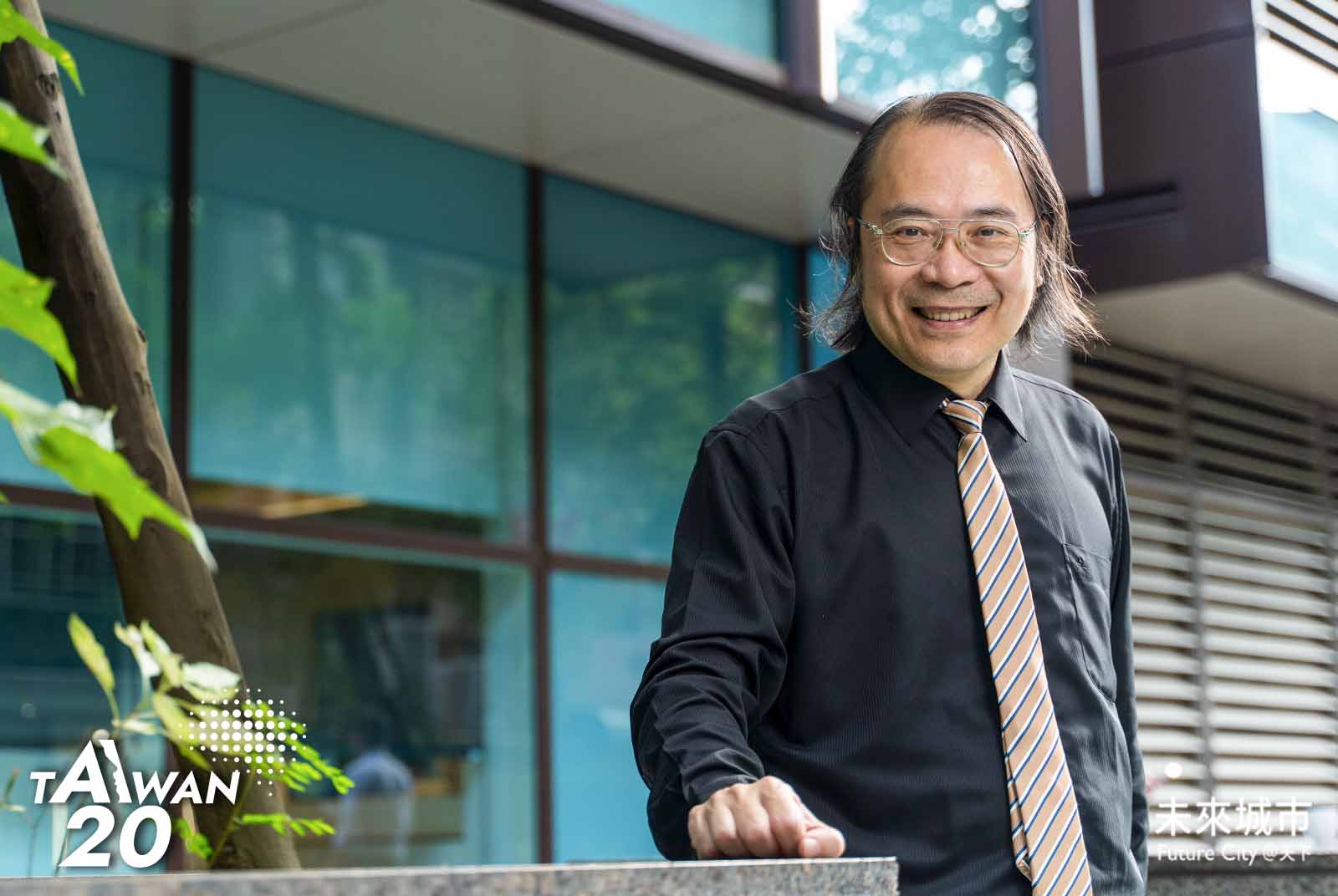
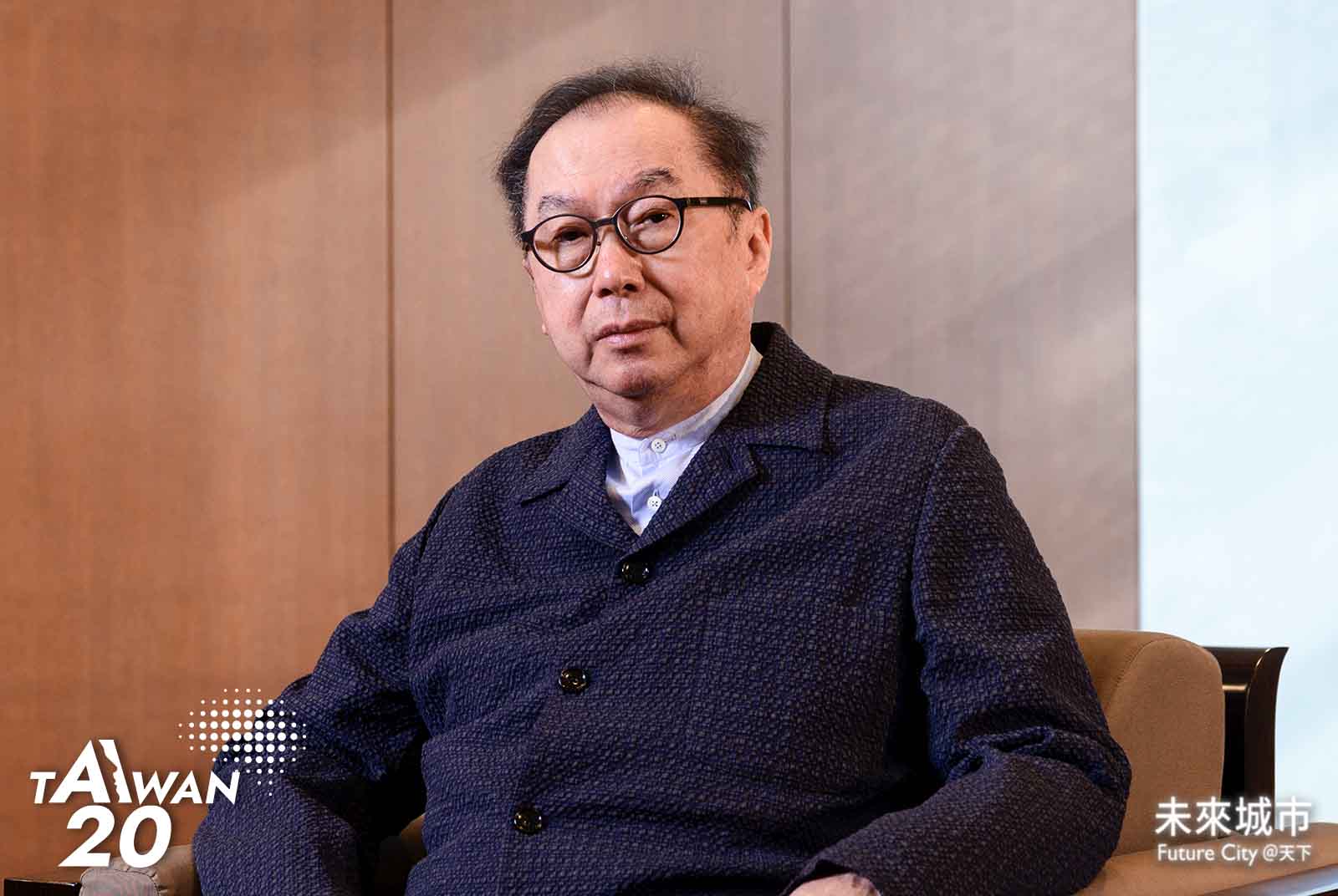
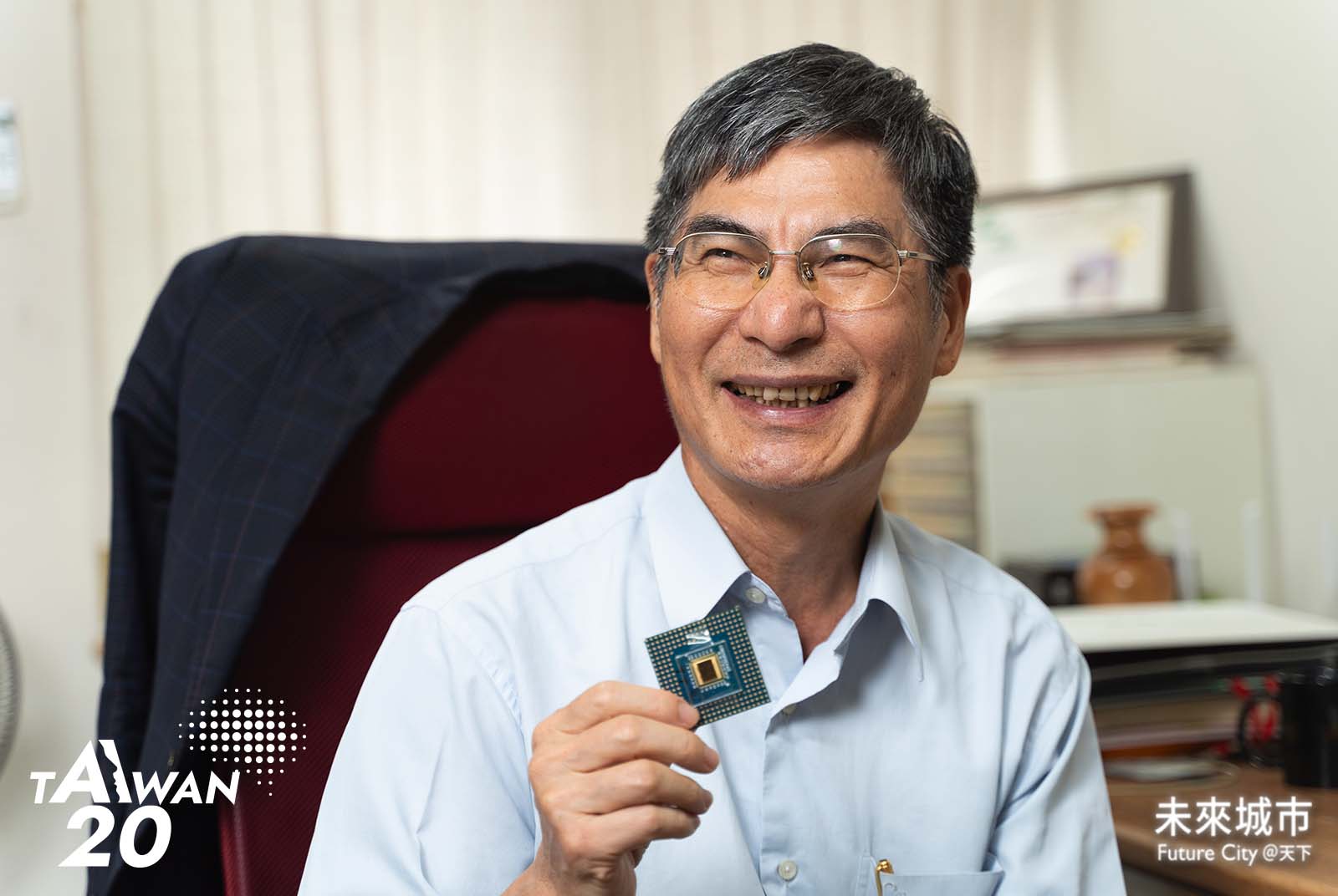
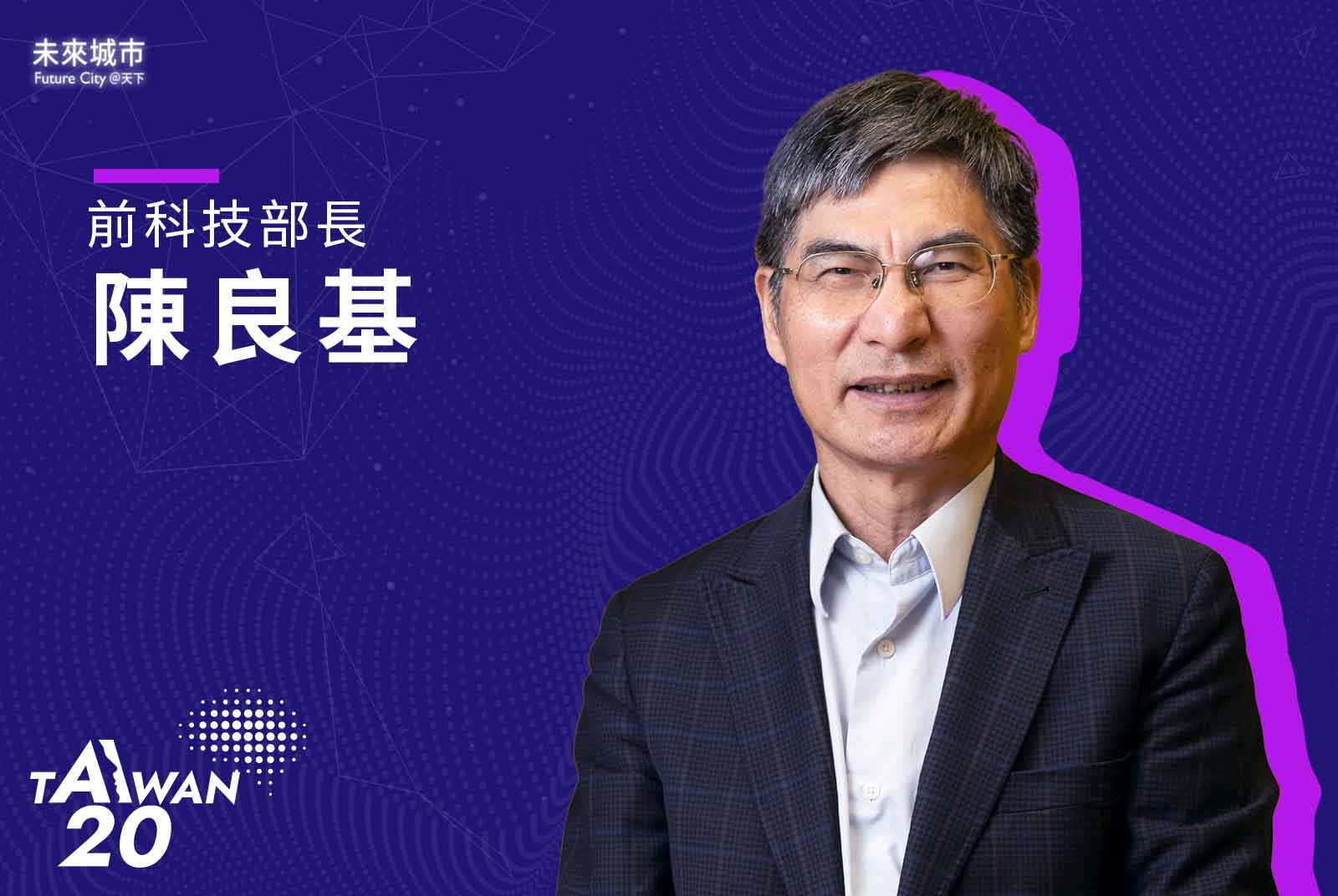 Chen Liang-Gee. Source: FutreCity@CommonWealth
Chen Liang-Gee, 67, president at Taiwan Digital Health Industry Development Association and former minister of science and technology, has been instrumental in shaping Taiwan's technological landscape. Currently serving as an honorary professor at National Taiwan University's Department of Electrical Engineering, Chen is an IEEE Fellow who has garnered significant recognition for bridging academia and industry, including prestigious awards from Taiwan's Ministry of Education and Ministry of Economic Affairs. His contributions to engineering sciences also earned him The World Academy of Sciences (TWAS) Award.
Have you read?
Taiwan AI 20
In 2024, there is growing recognition that AI capabilities are crucial to national power. CommonWealth Magazine's "FutureCity" has launched the "Taiwan AI 20" special report. A selection committee of industry, government, and academic representatives was formed to select 20 influential figures who are driving Taiwan's AI development in five key areas: technological innovation, industry adoption, policy initiatives, talent development, and community engagement.
The report profiles these 20 pioneers and their contributions to Taiwan's AI landscape. Click to read "Taiwan AI 20".