Today, resilience, intelligence, and trust are equally critical. Geopolitical uncertainty, supply chain disruptions, and advances in Industrial AI are reshaping how manufacturing systems are designed and operated.
Introduction: A New Manufacturing Paradigm
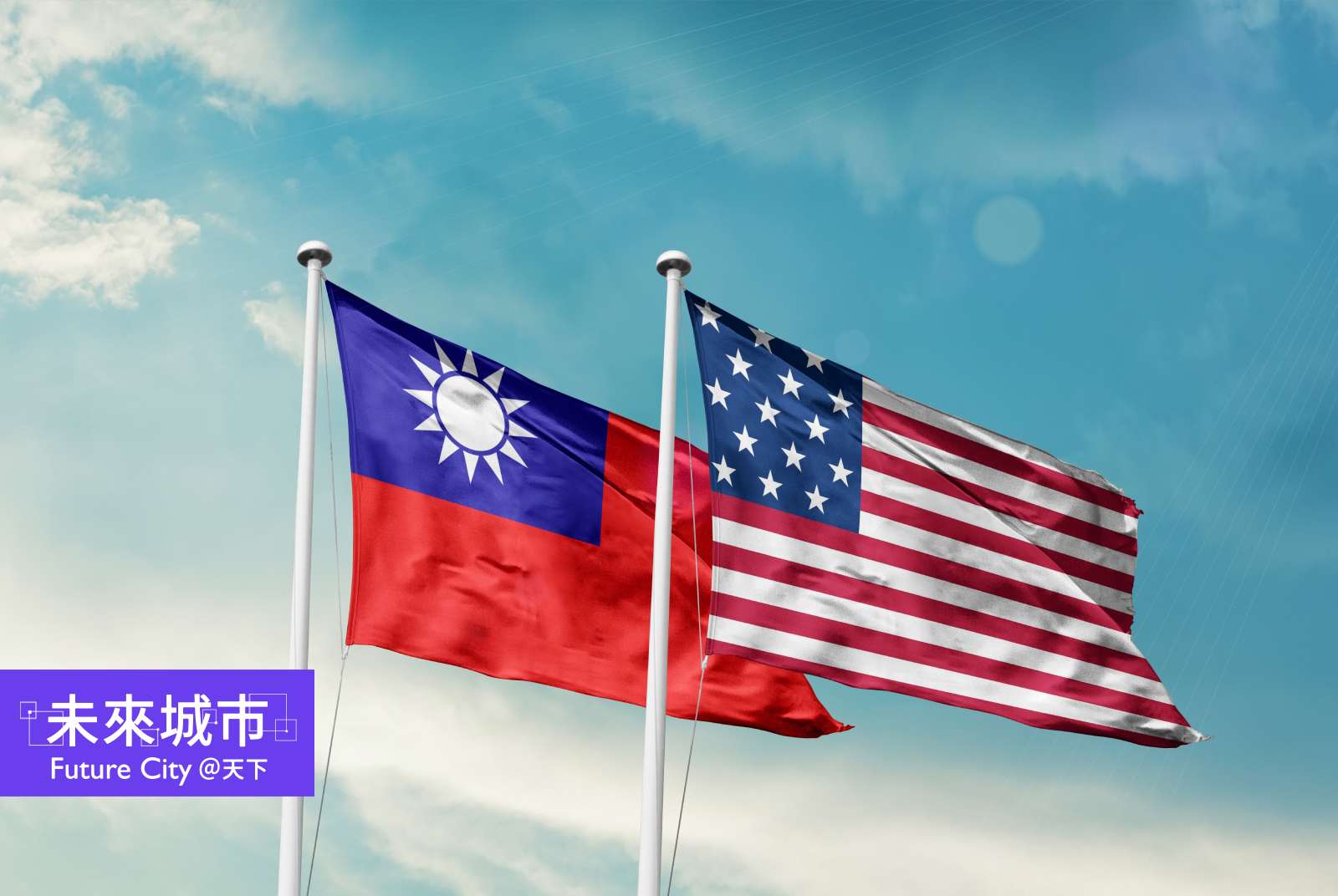
In this context, “co-making” offers a new paradigm. Unlike offshoring or reshoring, co-making is built on distributed, digitally synchronized, and intelligence-driven production networks. A Taiwan–United States partnership is uniquely positioned to lead this transformation. Taiwan’s strength in precision manufacturing—especially its SME ecosystem—combined with U.S. leadership in AI and digital innovation, provides a foundation for next-generation manufacturing.
The transformation of Foxconn through its World Economic Forum Lighthouse journey demonstrates that this vision is already achievable at scale.
Why Co-Making, Why Now
Recent disruptions have exposed the fragility of globally fragmented supply chains. Concentration risks in semiconductors and electronics have elevated manufacturing to a strategic priority.
At the same time, Industrial AI, cyber-physical systems, and digital twins are enabling production systems that are adaptive, predictive, and increasingly autonomous.
These technologies allow geographically distributed factories to operate as coordinated networks rather than isolated sites. For the United States, the challenge is not only to rebuild capacity, but to develop integrated, intelligent manufacturing systems.
Taiwan’s experience provides a practical pathway.
Co-Making as an Operating Model
Co-making redefines manufacturing from a linear supply chain into a synchronized network. It rests on four pillars:
- Distributed Production across regions such as Taiwan and the U.S.
- Digital Synchronization through shared data and digital twins
- AI-Driven Operations for yield, quality, and uptime optimization
- Trusted Governance for secure collaboration and interoperability
This model enables manufacturing systems that are both resilient and high-performing.
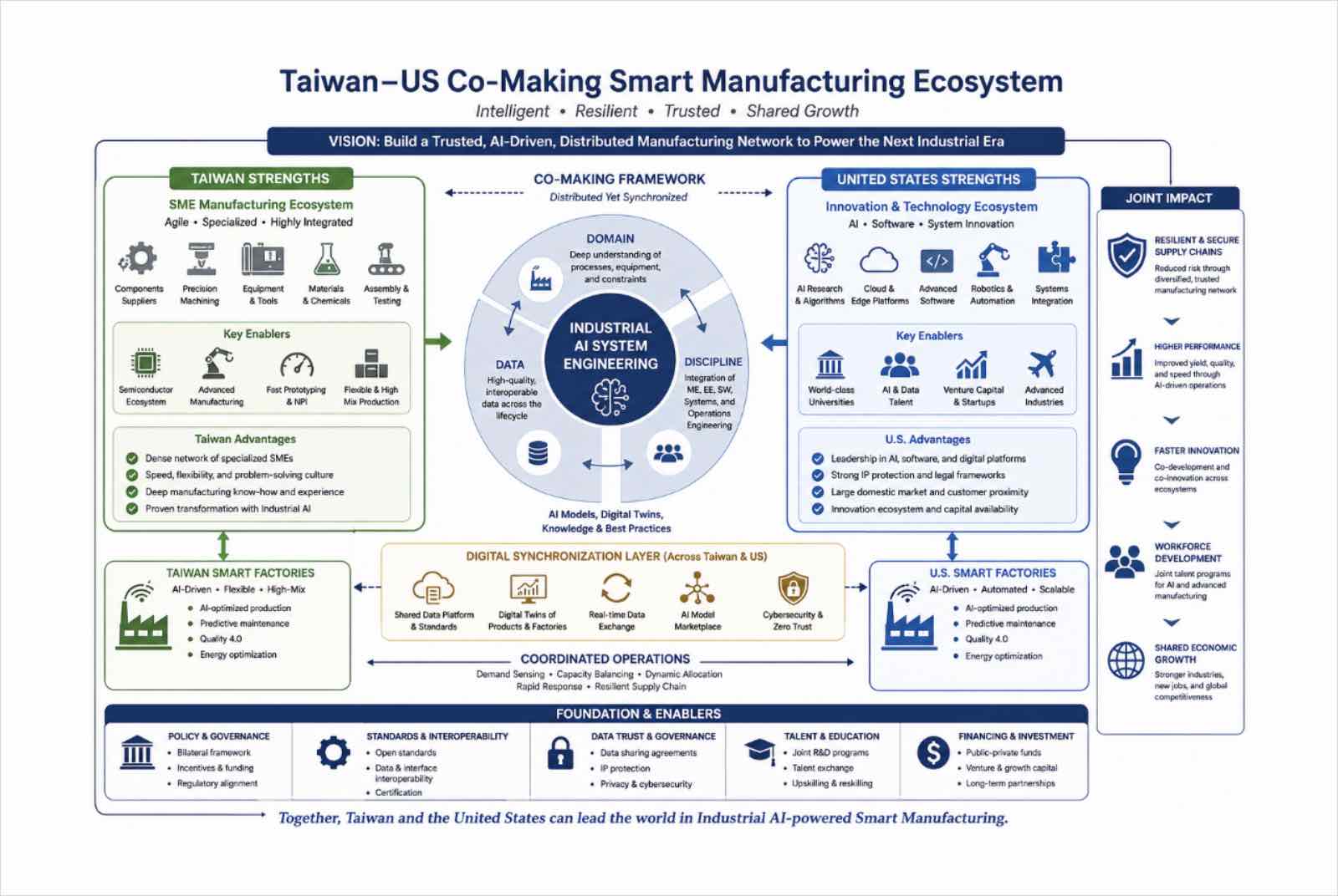 "Co-manufacturing" connects factories across locations through AI and technology, transforming linear supply chains into synchronized production networks. Image source: Provided by the author.
Taiwan’s SME Transformation: A Model for U.S. Renewal
Taiwan’s manufacturing strength is rooted in a dense network of SMEs. These firms are highly specialized, agile, and deeply integrated into supply chains, enabling rapid response to complex and evolving production demands.
Historically, this model delivered flexibility and speed. With Industrial AI, it is evolving into a digitally orchestrated ecosystem. SMEs can now be connected through shared data platforms, AI models, and digital threads, transforming fragmented capabilities into coordinated systems.
This transformation is highly relevant to the United States. Manufacturing renewal cannot rely solely on large-scale facilities; it requires rebuilding interconnected ecosystems of specialized firms. Taiwan’s SME model demonstrates how such ecosystems can scale and compete globally.
Industrial AI is the key enabler. By embedding intelligence into processes and connecting distributed firms, smaller enterprises can operate as part of a larger, synchronized network. In a Taiwan–U.S. co-make framework, this approach can extend across borders, creating a transnational manufacturing system that combines agility with scale.
The Foxconn WEF Lighthouse Journey: From Scale to Intelligence
The transformation of Foxconn provides a practical blueprint for co-making in action. Historically, Foxconn operated at an unparalleled scale, managing highly complex, labor-intensive manufacturing systems across multiple geographies. However, this scale also introduced challenges, including variability in quality, unplanned downtime, and fragmented data environments.
The Lighthouse journey was initiated in 2018 when I served as vice chairman and board member of the newly established Foxconn Industrial Internet to address these challenges and redefine manufacturing operations through Industrial AI and digital transformation.
A key component of this journey was the deployment of AI-driven systems across production lines. Predictive maintenance models reduced unexpected equipment failures, while machine vision and data analytics enhanced defect detection and quality control.
At the same time, a digital thread was established to connect design, manufacturing, and service stages, enabling end-to-end visibility and optimization. A lights-out factory was used as a demonstration platform to showcase a “worry-free” smart factory. An Industrial AI Factory vision was formed to guide its global transformation.
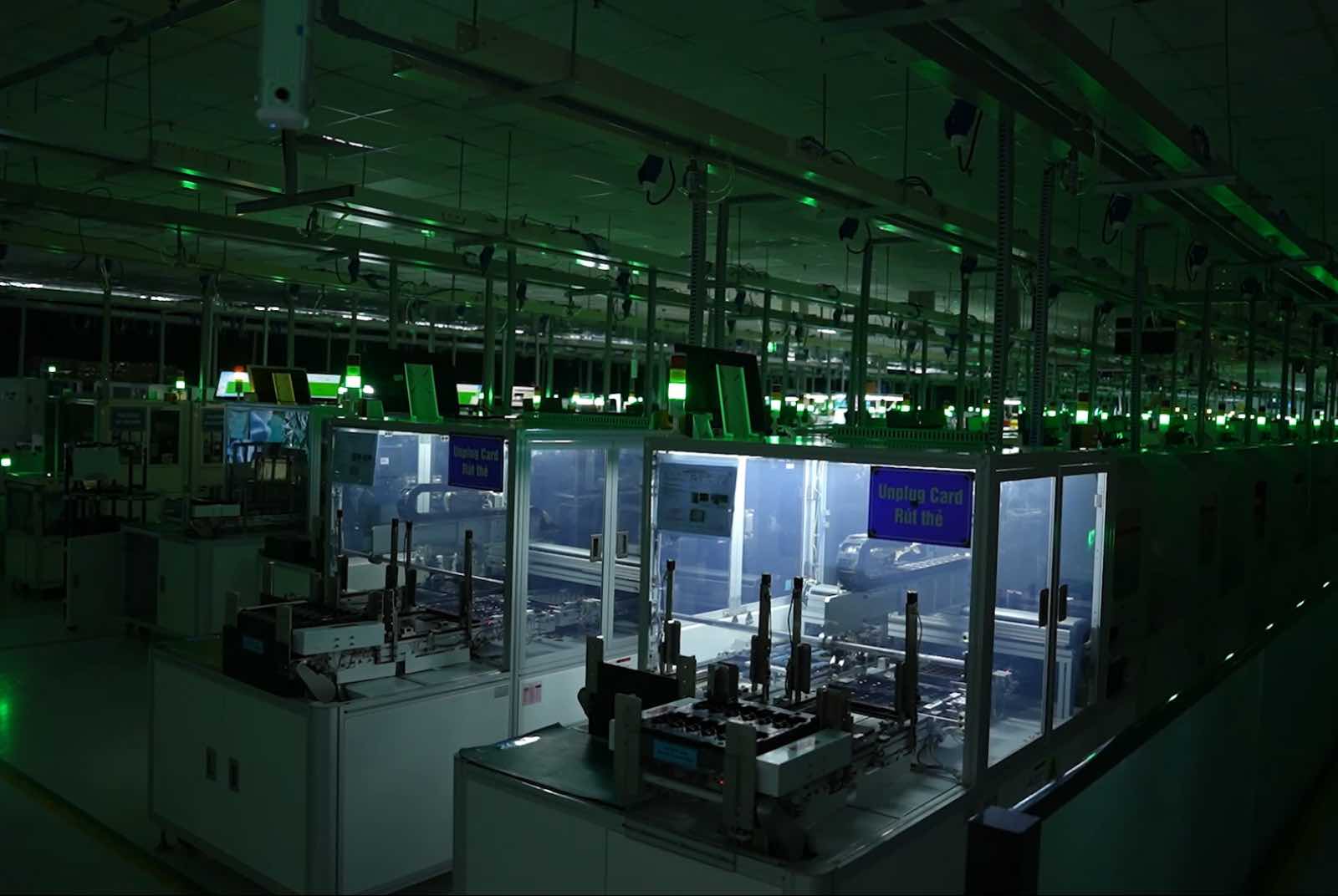 Foxconn's lighthouse factory integrates AI technology and digital operations to enhance production efficiency and achieve intelligent manufacturing. Image source: Foxconn official website
Equally important was the development of standardized digital platforms that could be scaled across factories. Rather than isolated improvements, the transformation created a unified architecture where best practices, data models, and AI algorithms could be shared and continuously refined.
The results have been significant. Foxconn achieved measurable improvements in yield, reductions in downtime, and increased throughput, while also advancing workforce capabilities through human–machine collaboration. Operators were augmented by AI systems, shifting roles from manual execution to decision-making and system oversight.
This transformation demonstrates that even the most complex, high-volume manufacturing environments can evolve into intelligent, adaptive systems. More importantly, it shows that such systems can be scaled and replicated—forming the foundation for distributed manufacturing networks.
Industrial AI System Engineering: The Critical Enabler
Co-making depends on a system-level approach to Industrial AI. This requires integrating three dimensions:
- Domain: understanding of physical processes and constraints
- Data: structured, interoperable data across the lifecycle
- Discipline: integration of engineering fields for scalable deployment
This “domain–data–discipline” framework ensures AI is embedded into operations rather than applied in isolation.
In Taiwan’s SME ecosystem, it enables digital integration of distributed firms. In the Foxconn Lighthouse journey, it enabled scaling across factories. For Taiwan–U.S. co-making, it provides the foundation for synchronizing geographically distributed production systems.
Operationalizing Taiwan–U.S. Co-Making
A practical co-make model integrates complementary strengths:
- Taiwan: manufacturing agility, SME networks, semiconductor ecosystem
- United States: AI innovation, software platforms, market proximity
Together, they enable shared AI platforms, mirror factories, real-time coordination, and joint workforce development. This creates manufacturing systems that are resilient, adaptive, and globally integrated.
Policy Priorities
To scale co-making, coordinated actions are required:
- Establish interoperability standards for smart manufacturing
- Enable secure cross-border data governance
- Invest in joint Industrial AI R&D
- Develop talent pipelines bridging AI and manufacturing
- Build cross-national Lighthouse testbeds
Conclusion: From Capacity to Capability
The shift from offshoring to co-making reflects a deeper transition—from capacity-driven manufacturing to capability-driven systems. The future will be defined by the ability to orchestrate intelligent, trusted networks.
Taiwan’s transformation—from SME-driven production to AI-enabled ecosystems—offers a practical model. For the United States, this provides a pathway to accelerate manufacturing renewal.
By combining Taiwan’s manufacturing depth with U.S. leadership in Industrial AI, co-making can define the next industrial era—one built on resilience, intelligence, and shared innovation.