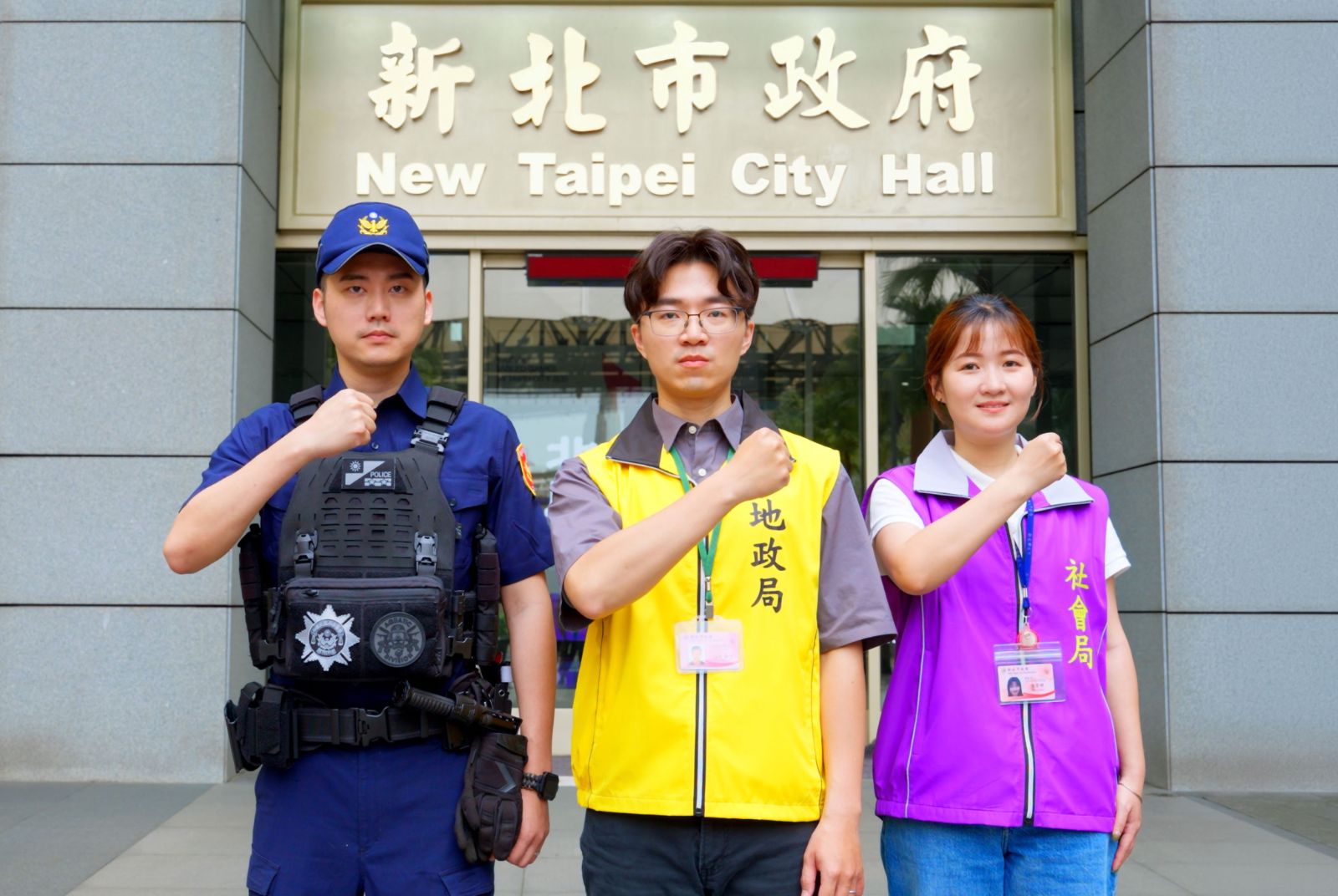
2025年五月19日,一名78歲駕駛在新北市學校放學時段衝撞人群,瞬間奪走三條人命,另有12人受傷。隔天,交通部便火速宣布,將駕照換發年齡門檻從75歲降至70歲,並增設額外評估測試。
同一天,台南市又傳出悲劇:一名癲癇患者開車撞死一名正陪妻子散步的男子。次日,交通部再度出招,宣布將建立醫療與保險系統聯網機制,對有癲癇發作病史的駕駛發出重新評估通知。
三天後的五月23日,台北市又發生無照駕駛撞傷行人事件。兩天後,交通部再次宣布提高無照駕駛罰則,嚴重程度比照酒駕。
這些慘劇僅是單週內車禍肇事的冰山一角。面對媒體輿論和民眾怒火,當局急於提出治標不治本的應急措施,卻不願深入探究問題根源,制定全面性的解決方案。
台灣對行人安全的呼聲並非一朝一夕。2022年12月CNN一篇「行人地獄」的報導如重磅炸彈,引爆了早已積累的民怨。諷刺的是,同月底台中就發生悲劇:一個台灣與伊拉克籍的混合家庭,妻子和年僅一歲的幼兒慘遭公車輾斃。
兩年後,悲劇再度在台中重演——一輛公車在行人穿越道撞死一名大學生,另一名學生身受重傷。雖然肇事司機最終被定罪,但專家仍質疑道路設計的安全性。
這些年來的車禍案例,暴露了台灣行人安全的嚴重缺失。
過時的設計準則、脫離現實的駕駛考試、嚴重不足的行人基礎設施,以及形同虛設的交通執法——問題族繁不及備載。
在官方規則失靈的情況下,各種「潛規則」應運而生,全憑駕駛的在地經驗和個人判斷。這種無政府狀態造成交通環境極度混亂,每個道路使用者都得自求多福。如此惡性循環下,自然孕育出弱肉強食的駕駛文化和劍拔弩張的交通氛圍。
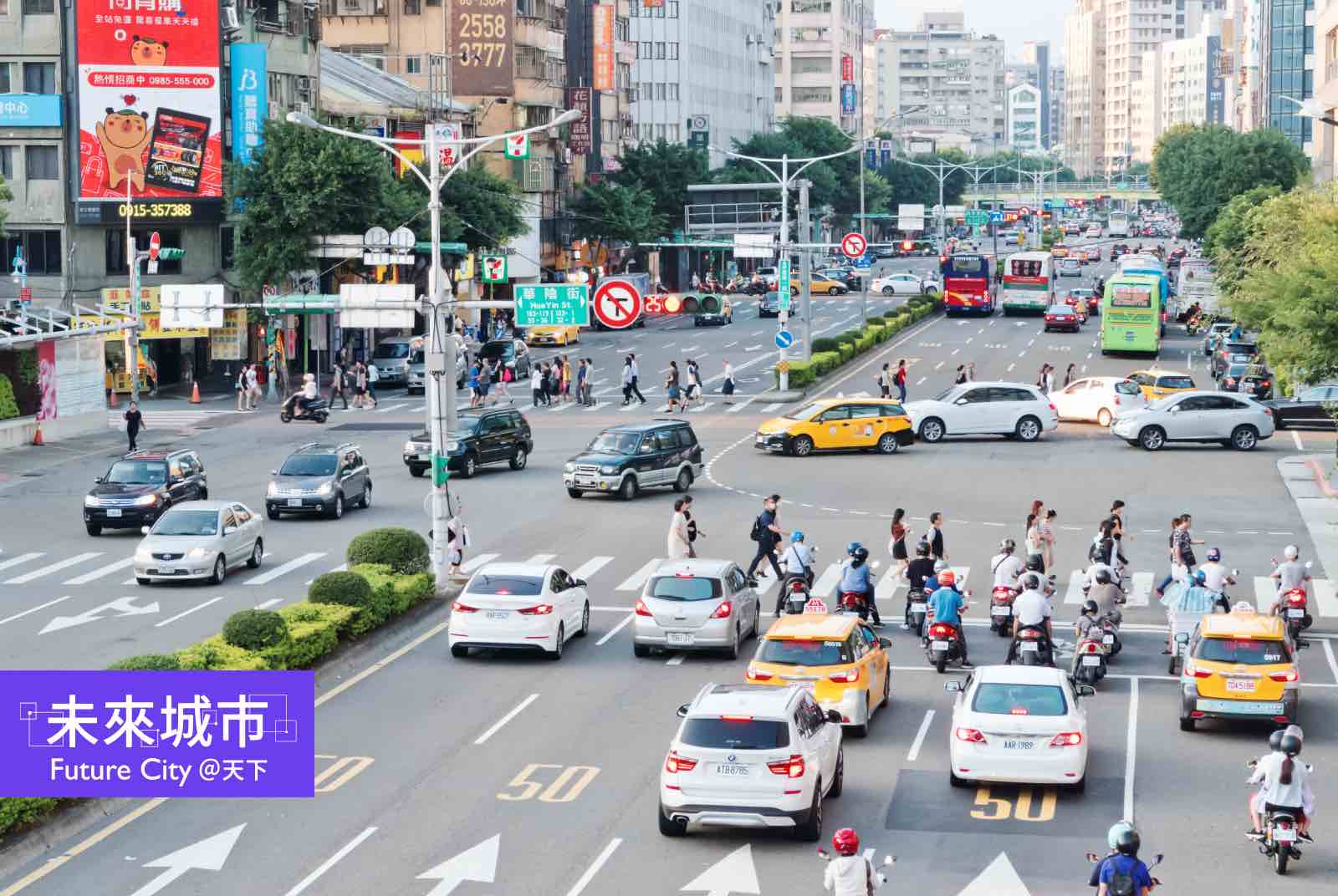
儘管官方數據顯示行人傷亡逐年改善,但現實環境依然令人絕望。許多地方根本沒有人行道,行人被迫與車爭道;即使有人行道,也經常被商家佔用、住戶霸佔,或淪為違停天堂。那些塗上綠漆的「人行道」更是自欺欺人,毫無保護功能可言;行人在路上永遠是弱勢,毫無路權可言。
在國際舞台上,台灣政府對於道路安全倡議明顯缺席,既不參與高層政策對話,也不落實具體改革措施。當全球已經轉向「安全系統」的全面性思維,重新建構道路使用者的優先順序,將最脆弱的族群放在首位時,台灣的官方政策和實務操作仍在原地踏步。
這種「頭痛醫頭、腳痛醫腳」的消極態度,根源在於中央政府的權責不清。
舉例來說,交通部負責道路規劃,但道路設計的實際執行卻歸內政部國土管理署管轄。表面上看來分工合理,實際上卻造成各自為政的窘境,讓各機關得以將複雜的治理問題簡化為技術層面的細枝末節,迴避真正的結構性改革。
諸如「台灣情況特殊」「需要建立交通文化共識」等官僚語言屢見不鮮,目的無非是模糊權責歸屬,為「無可奈何」的悲劇結果開脫。
政府部門似乎深信「文化會吞噬政策」這套說辭,然而他們忽略了一個鐵的事實:營造安全的道路文化,本來就是公部門義不容辭的責任。
其實,台灣並非毫無希望。蜿蜒古樸的老街巷弄,熱鬧非凡的廟會慶典,都曾讓我們驚艷以行人為主角的美好街景。政府、社區和商家偶爾也會攜手將馬路化身為步行天堂,舉辦各式活動。
這些片段式的成功經驗證明了台灣的潛力,但要真正實現願景,仍需要更有系統、更全面的道路街廓改造。
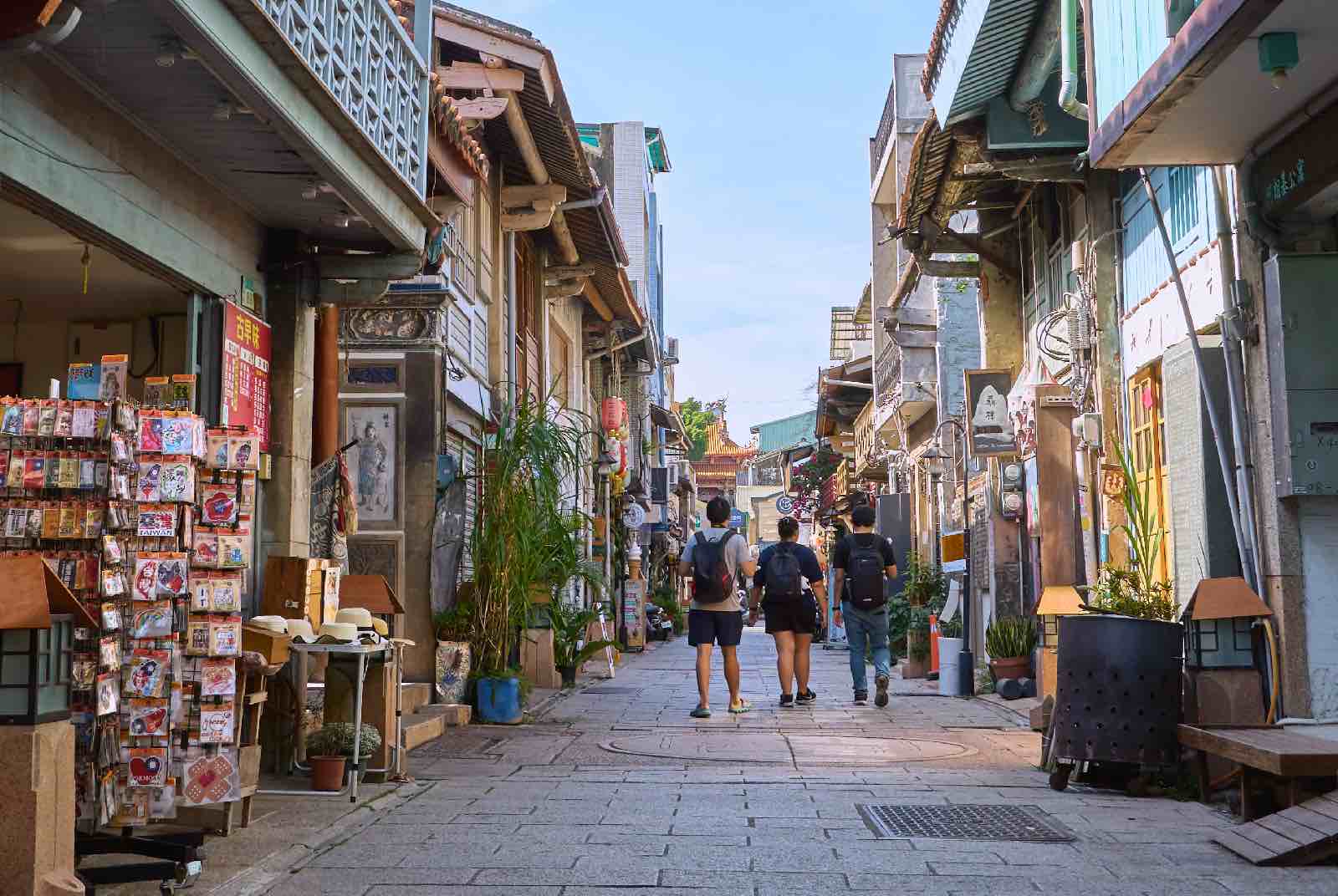 台灣具備行人友善環境的優勢與潛力,透過政府、社區與商家的合作和街道改造,可逐步邁向人本交通的願景。圖片來源:Shutterstock
台北市近期試辦的行人優先區成效如何,尚待觀察。
要真正翻轉現況,台灣亟需大刀闊斧的制度革新,建立明確的究責機制,絕不能讓民眾再苦等一個世紀才能享有安全的步行環境。
說到底,在政治算計與人命關天之間,這根本不該是個選擇題。
原文版
A 78-year-old driver crashed into a crowd during school dismissal in New Taipei City on 19 May 2025, resulting in three deaths and twelve injuries. The very next day, the Ministry of Transportation and Communications (MOTC) announced that it would lower the age threshold for driving licence renewals from 75 to 70, along with additional evaluation tests. On the same day, a driver suffering from epilepsy fatally struck a man accompanying his wife on a walk in Tainan City. The following day, the MOTC announced that it would synchronise the medical and insurance systems to issue re-evaluation orders to drivers with a recent seizure history. Three days later, on 23 May, a driver without a driving licence collided with traffic in Taipei City, injuring one pedestrian. Two days later, the MOTC announced that it would increase the penalty for driving without a licence to be as severe as that for drink-driving. These incidents represent just three of the vehicle-pedestrian collisions that took place in a single week. The authorities seek quick fixes under pressure from the media and the public rather than investigating the root causes and creating a comprehensive plan.
The outcry for pedestrian safety in Taiwan is not a new phenomenon. It was galvanised in December 2022 by CNN's coverage of the “living hell for pedestrians,” which coincided with growing public outrage seeking an outlet. Ironically, later in the month, a Taiwanese and Iraqi family in Taichung suffered tragedy when a wife and her one-year-old son were killed by a public bus. Unfortunately, two years later, again in Taichung City, a public bus killed a college student and injured another college student at a pedestrian crossing. Although bus drivers have been convicted, the road design was deemed questionable and unsafe.
These crashes over the years have highlighted the issue of pedestrian safety in Taiwan. The design guidelines are mostly outdated, the driving test fails to reflect real-world conditions, there is a lack of adequate pedestrian infrastructure, and traffic law enforcement is often ineffective. The list could go on. Unwritten traffic rules have emerged based on local knowledge and experience. This creates a chaotic traffic environment where each road user must fend for themselves. Such factors contribute to aggressive driving behaviours and a hostile traffic atmosphere.
Despite incremental year-on-year improvements in pedestrian casualty records, pedestrian environments in many areas remain stagnant. Pedestrians often walk in traffic lanes because of the absence of pavements, and existing pavements are frequently encroached upon by businesses, residents, or unauthorised parking. Green-painted pavements offer no real protection, and pedestrians typically lack the right of way. Globally, the Taiwanese government has been noticeably absent from high-level discussions and on-the-ground implementation of road safety initiatives. The global conversation on road safety has shifted to a comprehensive Safe Systems approach, rethinking the hierarchy of road users to prioritise the most vulnerable. None of these concepts has been integrated into official policies or practices in Taiwan.
The reactive rather than proactive attitude may stem from accountability issues within the national government. For instance, the MOTC oversees road planning, yet the responsibility for road design lies with the National Land Management Agency within the Ministry of the Interior. This division of labour may seem practical, but it inadvertently creates a fragmented approach, allowing agencies to reduce governance issues to mere technical details instead of advocating for meaningful structural reforms. Phrases like “Taiwan’s situation is different” and “we need public consensus on traffic culture” are commonly heard from the agencies to maintain an ambiguous stance regarding responsibility and the “unavoidable” negative outcomes. It is almost as if there is a prevailing belief that “Culture eats policy for breakfast”; yet these agencies overlook a critical truth: it is indeed the public sector's responsibility to foster a culture conducive to safe roads.
Taiwan's winding streets and vibrant temple festivals have already showcased a tantalising glimpse of what a pedestrian-priority environment could look like. Governments, communities, and businesses have occasionally converted roads into pedestrian-friendly spaces to host events. However, it is clear that a more formalised and systematic overhaul of roads and streets is crucial to fully realise this potential. The impact of newly established pedestrian-priority zones in Taipei City remains uncertain, but the EcoMobility World Festival in Kaohsiung in 2017 stands as the closest we have come to such an initiative. Yet, it could easily be seen as a missed opportunity - was it a case of inadequate communication between the government and local stakeholders, or was the vision simply too ahead of its time? As a result, the festival fell short of sparking lasting change in pedestrian-priority initiatives across Taiwan. To make real progress, significant institutional reforms are imperative, and accountability must be established to ensure that people in Taiwan do not have to endure yet another century waiting for a safe pedestrian environment. Ultimately, the choice between pursuing political gain and preserving lives should be a no-brainer.
未來城市@天下|台灣交通現況與車禍問題:3 個關鍵FAQ
A:台灣被稱為「行人地獄」,主要源於長期以車輛為優先的交通制度。具體問題包括人行道不足或被占用、道路設計以車速為導向、行人路權缺乏保障,以及交通執法不力。這些結構性問題使行人必須與車輛爭道,導致整體交通環境對弱勢用路人極不友善。
A:台灣車禍問題的根本原因並非單一因素,而是多重結構性缺失,包括過時的道路設計標準、不符合實際的駕照考試制度、不完善的行人基礎設施,以及執法鬆散。此外,政府部門權責分散,缺乏整合治理,導致政策多為「頭痛醫頭」的短期措施,無法有效降低事故發生率。
A:目前政策多集中在個別事件後的應急措施,例如提高罰則或加強特定族群管理,但缺乏整體性的交通安全策略。由於交通部與內政部等單位權責分工不清,例如交通部負責道路規劃,但道路設計的實際執行卻歸內政部國土管理署管轄,導致制度改革難以推動。相較國際「安全系統」強調從道路設計、速限管理到用路人保護的全面改善,台灣仍停留在零散且被動的治理模式。