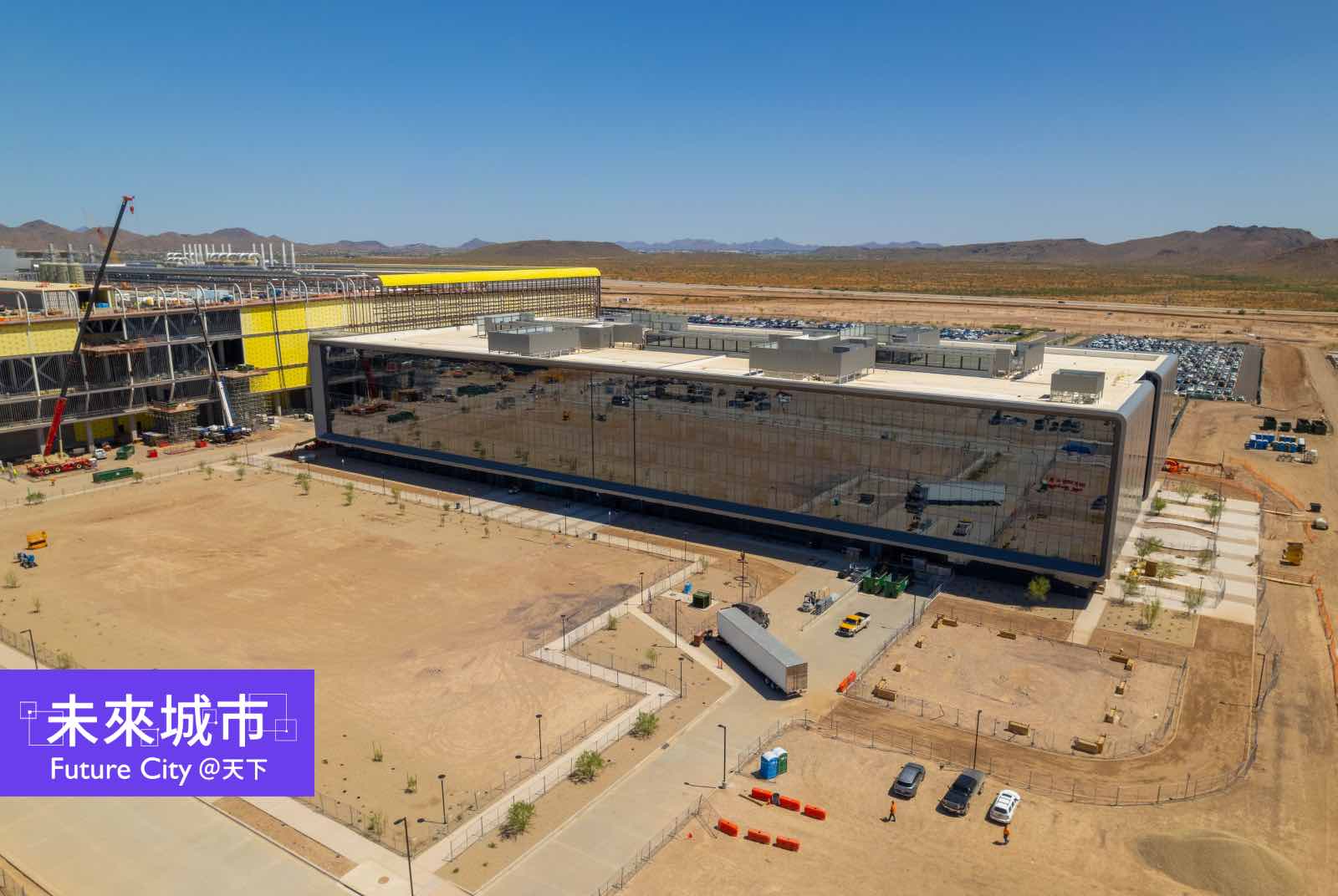

They study labor markets, evaluate incentive packages, compare utility costs, and tour industrial parks. By the time they make a decision, they feel like the hard work is behind them.
It is not. It is just beginning. Getting into the U.S. market is one challenge. Building an operation that holds up over time is another. The companies that do both well understand that market entry is not a project with a finish line — it is the start of an ongoing operational commitment.
At QBS Consulting Group, we work at the intersection of market entry strategy and ground-level execution, guiding international manufacturers through the process of establishing and sustaining U.S. operations. This past month, I was in Taiwan for direct engagement with executives, industry associations, and government offices across the semiconductor, automation, and smart manufacturing sectors.
The appetite for U.S. expansion is real and growing. So is the gap between what companies expect the process to look like and what it actually requires.
The site decision is not the strategy
Choosing a location is a filter, not a plan. A good site narrows your options. It does not build your operation. The real work begins the day you sign the lease or close on the land: workforce development, permitting, incentive capture, contractor selection, government relationships. Most companies have no infrastructure for any of that when they arrive.
In conversations with Taiwanese executives during my recent time in market, a clear pattern emerged. Companies had done thorough research on tax incentives and geographic positioning. Very few had thought carefully about workforce pipeline lead times, the distinction between state and local permitting authority, or what it takes to manage a U.S. general contractor relationship without an experienced owner's representative on site. These are not minor oversights. They are the gaps that turn 18- month projects into 30-month projects.
How the U.S. market actually operates
Taiwan's manufacturing ecosystem is exceptional. It is deeply integrated, high precision, and institutionally coordinated. Companies operating within it are accustomed to suppliers, regulators, and infrastructure partners who function at a high level of reliability and speed. The U.S. operates differently.
U.S. market entry is fragmented by design. Regulatory authority is split between federal, state, and local levels. Workforce development programs exist but require active navigation to access. Incentive packages are negotiated, not automatic, and the window to capture them is time-sensitive in ways companies do not always anticipate. Permitting timelines vary significantly by jurisdiction, and delays compound quickly.
These dynamics do not disappear after a facility opens. Incentive agreements carry multi-year compliance requirements. Workforce retention requires ongoing investment in training and community relationships. The government relationships built during market entry become the foundation for future expansion conversations. Understanding this from the start changes how companies plan and resource their U.S. presence.
Closing the gap between consulting and construction
One of the most consistent points of failure in U.S. market entry is the disconnect between advisory work and construction execution. A company hires a consulting firm to navigate site selection and incentives, then separately engages a design-build or general contractor to build the facility. Those two teams frequently do not communicate. Decisions made in the advisory phase create constraints the construction team was never told about.
Construction realities surface that the advisory team did not account for. The client sits in the middle managing both.
This shows up in change orders, schedule delays, and cost overruns that were not in the original proforma. For a manufacturer with customer commitments already in place and a production launch date on the calendar, this is more than a budget problem.
QBS was structured specifically to address this. QBS Consulting Group and QBS Construction Group operate as integrated practice areas under unified project leadership, so the advisory work and the construction execution are led by the same team. Decisions made early in the process reflect construction realities.
Government relationships developed during the advisory phase carry directly into permitting and construction. The client has one point of accountability throughout.
What the first 90 days should accomplish
For a Taiwanese manufacturer that has made a site decision, the first 90 days should accomplish five things.
- Establish government relationships at the state and local level before you need something from them. Introduce the project, understand who the decision-makers are on permitting and incentives, and start building credibility as a future employer and community partner. These relationships matter as much in year three as they do at groundbreaking.
- Understand your workforce pipeline in detail. Where will workers come from? What training infrastructure exists? What lead time does it require? Workforce availability is the most common constraint on production ramp timelines and consistently the last thing companies plan for. Retention planning should start at the same time as recruitment.
- Lock your incentive capture strategy. Many incentive programs have application windows, compliance milestones, and job creation timelines that must be actively managed across multiple years. They do not come automatically with the investment and they do not manage themselves after the check clears.
- Align your construction and advisory teams before design begins. Building configuration, utility infrastructure, and expansion capacity all have long-term operational implications. Those decisions should reflect production requirements from the start, not be revised after the fact.
- Establish a single point of accountability on the U.S. side. Someone needs to own the outcome. Not coordinate between vendors, not manage a checklist, but own it. If that person does not exist inside your organization, it should be a primary criterion in your partner selection.
Building something that lasts
The manufacturers who establish strong U.S. operations tend to share a few characteristics. They come in with realistic timelines. They invest early in relationships with state agencies, workforce partners, and local officials rather than arriving with demands. They treat advisory and construction as connected, not sequential. And they select partners based on demonstrated execution.
More than that, they treat their U.S. presence as a long-term commitment from day one. The companies that sustain operations well are the ones that stay engaged with the communities, governments, and workforce partners that made entry possible. That investment compounds. It opens doors for expansion, strengthens relationships with local and state officials, and builds the kind of reputation that makes the next project easier than the first.
Taiwan's manufacturers have the technical capability, the capital, and the industry relationships to build meaningful U.S. operations. The path is navigable. It just requires understanding the full scope of what it involves, not just what it takes to get started.
Kenya Burrell-VanWormer
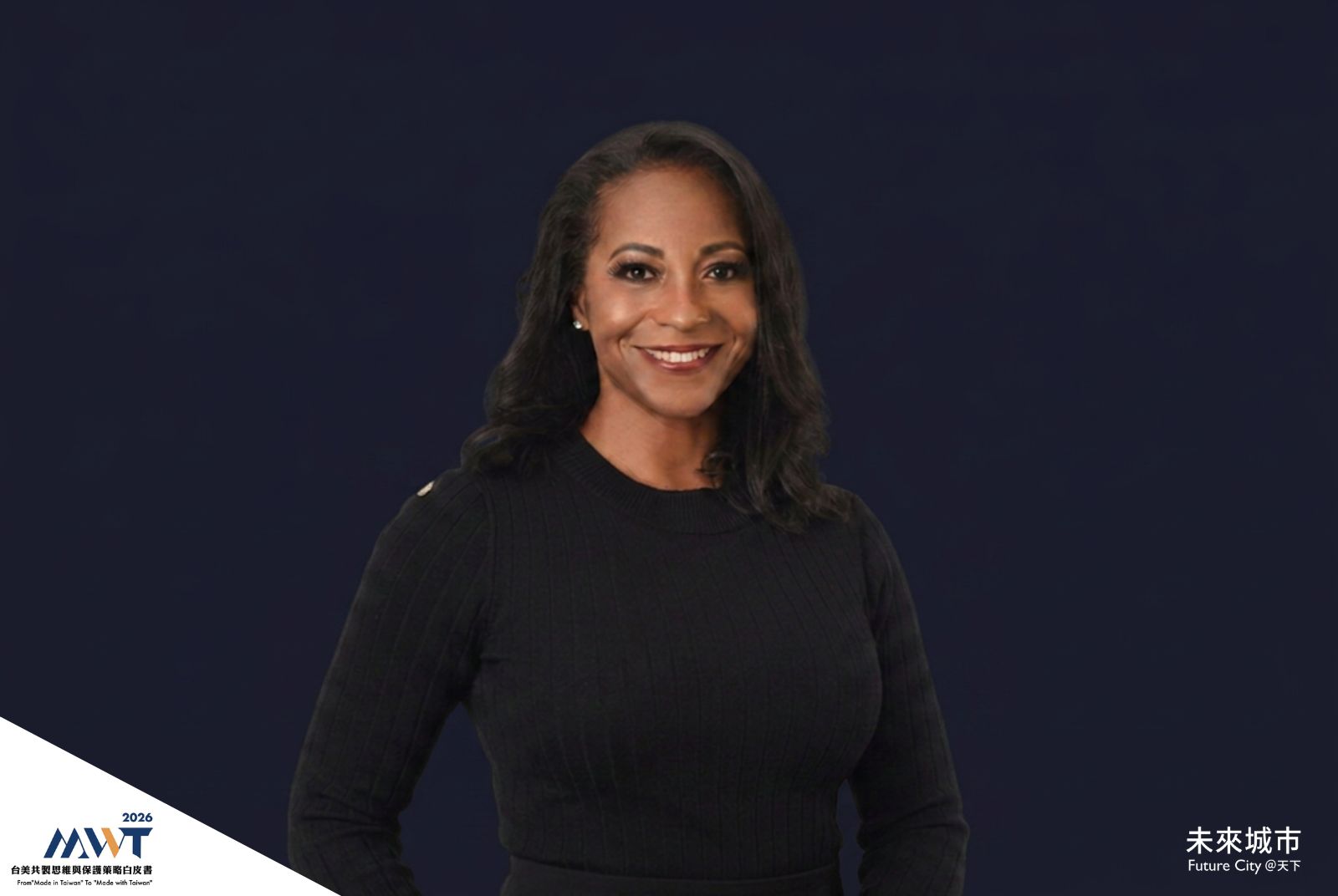 Kenya Burrell-VanWormer.
Kenya Burrell-VanWormer is Director of Strategic Development at QBS Consulting Group, a Houston-based industrial localization firm serving international manufacturers building U.S. operations. Her work spans market entry strategy, government affairs, and ground-level execution, including direct engagement with U.S. municipalities and economic development organizations to structure market entry pathways for international manufacturers.
She recently served as Delegation Lead for a multi-stakeholder international trade mission to Taiwan, conducting direct engagement with industry associations, government institutions, and manufacturing sector leaders across the semiconductor, automation, and advanced manufacturing industries.
With a career spanning Fortune 500 leadership, financial services, real estate, and international business development, she brings operational discipline and strategic range to complex, multi-stakeholder engagements. She co-founded Equity Angels, recognized as the 2025 Inman Innovator of the Year, and served as Chairman of the Board of the Houston Association of Realtors, the second-largest real estate association in the United States.